
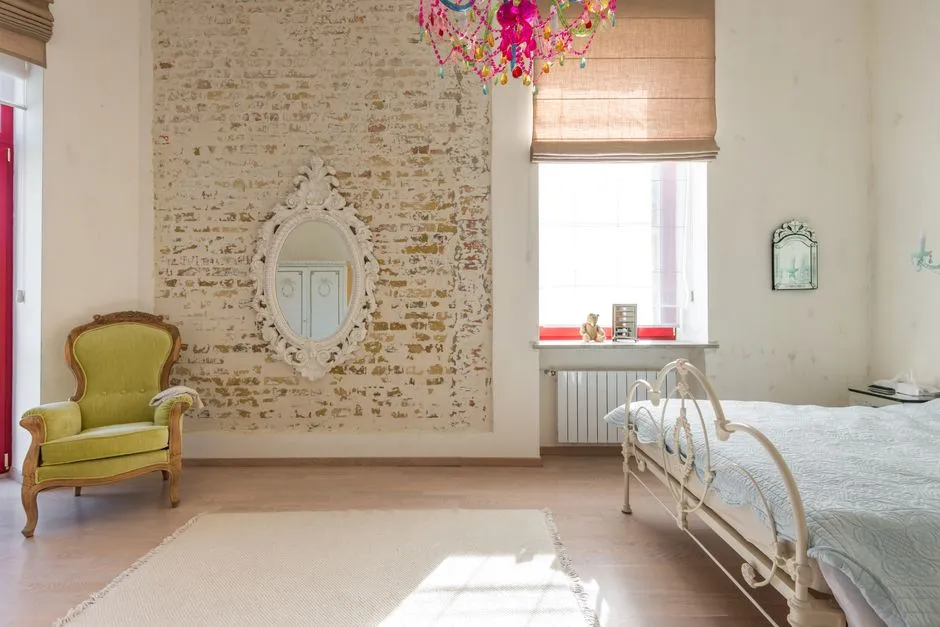
You’ve probably seen mirrors in feng shui shops, read about them in feng shui books, and maybe even hung a bagua mirror over your front door. But here’s a question that comes up constantly on feng shui forums:
Are mirrors actually feng shui?
The short answer is yes — mirrors are one of the most powerful and frequently used tools in feng shui practice. But the longer answer is more nuanced, and it’s one that most feng shui guides don’t address directly. Let’s break it down.
What Makes a Mirror a Feng Shui Tool?
Mirrors are powerful tools in bedroom feng shui and have been used across the tradition for centuries — not as decorative objects, but as energy amplifiers and deflectors. In traditional Chinese culture, mirrors were considered sacred objects capable of reflecting not just light, but qi (energy), negative forces, and even spiritual influences.
According to classical feng shui texts, mirrors work because they interact with the movement of qi through a space. When placed correctly, they can:
- Amplify positive energy (especially natural light)
- Deflect negative energy (like “poison arrows” from sharp corners)
- Expand the sense of space in small rooms
- Balance yin and yang energy in a room
But here’s the critical distinction: a mirror becomes a feng shui tool only when placed intentionally. A mirror hung randomly on a wall is just a mirror. A mirror positioned according to feng shui principles becomes a powerful energy modifier.
For more on safe placement, our bedroom mirror placement guide digs into specific spots to use and avoid. Standing tiles and the Bagua are covered in depth in our complete mirror placement guide.
Common Misconceptions About Mirrors in Feng Shui
Before we go further, let’s clear up the biggest misunderstandings about mirrors in feng shui:
| Misconception | Reality |
|---|---|
| All mirrors in feng shui are evil | ❌ Mirrors are neutral tools — their effect depends entirely on placement |
| Mirrors attract good luck | ❌ Mirrors redirect existing energy — they don’t create luck on their own |
| You need a bagua mirror over every door | ❌ Bagua mirrors are for specific situations, not universal requirements |
| More mirrors = better feng shui | ❌ Too many mirrors can create chaotic, scattered energy |
| Only antique mirrors work for feng shui | ❌ Modern mirrors work just as well — intention matters more than age |
How to Use Mirrors in Feng Shui (Without Creating Problems)
Based on classical feng shui principles and modern environmental psychology research, here are the most effective ways to incorporate mirrors into your space:
1. Reflect Beautiful Views (The Golden Rule)
Position mirrors to reflect pleasant outdoor scenes — gardens, trees, water features, or open sky. This is the single most important rule in feng shui mirror placement.
Why it works: Environmental psychology research shows that views of nature reduce cortisol levels and improve mood. By reflecting these views indoors, you extend the psychological benefits of nature into your living space. The mirror essentially “doubles” the visual connection to the outdoors.

2. Avoid Reflecting Clutter or Messy Areas
If your mirror reflects a pile of laundry, a messy desk, or an open closet, you’re amplifying chaotic energy. This is why feng shui practitioners emphasize keeping areas near mirrors tidy.
Quick fix: If you can’t avoid reflecting a cluttered area, use a smaller mirror or reposition it to catch a cleaner view.
3. Never Place Mirrors Facing the Bed
This is one of the most well-known feng shui rules for good reason. A mirror facing your bed disrupts restful sleep energy and can cause restlessness, nightmares, or a sense of unease.
According to research on bedroom environments, visual stimuli during sleep can fragment REM cycles. A mirror reflecting movement in the room — even subconsciously — keeps your nervous system partially alert throughout the night.
3b. Critical: Never Place Mirrors Directly Behind Your Chair
This is one of the most critical feng shui mirror rules. A mirror directly behind where you sit — whether at your dining table or office desk — creates what practitioners call “backstabbing energy” (背后小人). The reflection of your back can symbolize people watching or undermining you from behind, and it literally weakens your “supporting mountain” (靠山) by replacing the solid wall with a reflective void.
Correct placement: If you need a mirror in your office, place it on the left side of your desk (Qinglong / Azure Dragon position) or on a side wall. Never hang one directly behind your chair.
Note for classical practitioners: Avoid placing mirrors on East or Southeast walls (Wood sectors) as Metal destroys Wood. This is a key difference between BTB and classical feng shui schools — BTB tends to be more flexible about this, while classical practitioners consider it a serious violation.
4. Use Round or Oval Mirrors in the Dining Room
Round mirrors symbolize unity and togetherness in feng shui. Placing one in your dining room reinforces family harmony during meals. This is a simple, free feng shui adjustment that costs nothing but can meaningfully improve the atmosphere at your dinner table.
5. Mirror Placement by Room Type
| Room | Best Mirror Placement | Energy Effect |
|---|---|---|
| Living Room | Reflecting natural light/window | Expands space, brings in yang energy |
| Dining Room | Reflecting food or family gathering | Abundance, togetherness |
| Entryway | Side wall, not directly facing door | Welcoming energy, expands small spaces |
| Bedroom | Closet doors (closed at night) | Minimizes disruptive reflections |
| Home Office | Left side of desk (Qinglong position) or side wall | Supportive energy without undermining your “mountain” |
Bagua Mirrors: The Special Case
Not all feng shui mirrors are created equal. The bagua mirror (八卦镜) is a specialized tool used primarily for exterior protection. Here’s what you need to know:
- Concave bagua mirror: Absorbs and redirects negative energy — used for protecting your home from external “sha chi” (killing energy) like T-junctions or sharp corners pointing at your door
- Convex bagua mirror: Deflects and scatters negative energy — stronger than concave, used for more serious external threats
- Flat bagua mirror: Balances energy without amplification or deflection — gentler option for internal use
Important note on feng shui schools: Different feng shui traditions use bagua mirrors differently. The BTB (Black Hat Tantric) school uses them more casually, while classical feng shui practitioners reserve them for specific situations measured with a luopan (compass). If you’re unsure, consult a qualified practitioner before hanging a bagua mirror outside your home.
Which Mirrors Should You Avoid in Feng Shui?
Not every mirror serves feng shui well. Avoid these types:
- Broken or cracked mirrors: Symbolize fractured energy and broken relationships
- Torn or distorted mirrors: Create warped energy perception — literally and metaphorically
- Too many small mirrors in one room: Creates scattered, restless energy
- Mirrors reflecting toilets or bathrooms: Amplifies draining energy
- Sharp-edged mirrors facing seating areas: Creates “poison arrow” energy
Free Feng Shui Mirror Adjustments You Can Make Today
Here’s a quick checklist of mirror adjustments that require zero spending:
- ☐ Reposition any mirror facing your bed to the side or behind a closet door
- ☐ Angle mirrors toward windows or pleasant outdoor views
- ☐ Cover or remove mirrors that reflect clutter
- ☐ Add a round mirror to your dining room for family harmony
- ☐ Replace any broken or cracked mirrors immediately
- ☐ Ensure entryway mirrors don’t face directly outward (blocks incoming qi)
Feng Shui Mirror Products Worth Considering
While the most effective feng shui adjustments are free (repositioning existing mirrors costs nothing), some tools can help you get started:
| Product | Best For | Price Range |
|---|---|---|
| Round brass mirror | Dining room harmony | $15-40 |
| Bagua mirror (concave) | Front door protection | $20-60 |
| Antique bronze hand mirror | Classical feng shui practice | $30-100+ |
| Decorative wall mirror (oval) | Living room light amplification | $25-150 |
Important: The most effective feng shui improvement is always free. A mirror repositioned correctly costs nothing. Traditional feng shui has worked for thousands of years without requiring you to buy anything — just observe, adjust, and let the energy flow naturally.
When to Consider Professional Feng Shui Consultation
While mirror placement is relatively straightforward for most homes, complex situations may benefit from professional guidance:
- Your home sits on a T-junction or has sharp corners pointing at windows
- You’re placing a bagua mirror and want to ensure correct orientation
- Your home has unusual geometry (L-shaped, circular rooms, etc.)
- You want to integrate mirrors with other feng shui cures (plants, crystals, wind chimes)
For most residential applications, though, following the basic principles above will dramatically improve your space’s energy — no consultation needed.
For more on mirror placement by room, see our complete guide to feng shui mirrors and our mirror placement guide. If you’re specifically concerned about bedroom mirrors, check our bedroom feng shui guide.
FAQ — Are Mirrors Feng Shui
Are mirrors considered feng shui tools?
Yes. Mirrors are among the most fundamental tools in feng shui practice. They’ve been used for centuries to modify energy flow, amplify light, and protect spaces from negative influences.
Do mirrors bring bad feng shui?
Only when placed incorrectly. A mirror facing your bed or reflecting clutter creates problematic energy. But a mirror positioned to reflect natural light and beautiful views enhances positive energy. The mirror itself is neutral — placement determines the outcome.
What type of mirror is best for feng shui?
Round or oval mirrors are generally preferred in feng shui because their curved shapes promote smooth energy flow. Rectangular mirrors are acceptable if placed correctly. Avoid mirrors with sharp, jagged edges.
Should I use a bagua mirror on my front door?
Only if needed. Bagua mirrors are protective tools for specific situations (T-junctions, poison arrows). They’re not a universal requirement. If your front door faces a clear, open area, you likely don’t need one.
Can mirrors increase feng shui wealth energy?
Indirectly, yes. By reflecting natural light and pleasant views into your wealth corner (far left corner from the entrance), mirrors can amplify abundance energy. However, mirrors alone won’t create wealth — they enhance what’s already present.
How many mirrors should I have in a room?
Rather than counting, focus on total mirror surface area. A good rule of thumb: ensure total mirror surface doesn’t exceed 5% of wall space in bedrooms and 10% in living areas. Too many mirrors create scattered, restless energy. One well-placed mirror that reflects light or a beautiful view is far more effective than multiple mirrors serving no purpose.
Also explore our fundamental feng shui rules guide for broader principles beyond mirrors.
Final Thoughts
Are mirrors feng shui? Yes — but with an important caveat: a mirror only becomes a feng shui tool through intentional placement.
The ancient Chinese understood something that modern science is only now confirming: our environment profoundly shapes our energy, mood, and well-being. A mirror strategically placed to reflect natural light and beautiful views doesn’t just look good — it actively transforms the quality of energy in your space.
Remember: the most effective feng shui adjustments are free. Repositioning an existing mirror costs nothing, requires no shopping, and can dramatically improve your home’s energy. Traditional feng shui has worked for thousands of years without requiring you to buy anything — just observe, adjust, and let the energy flow naturally.
🧭 Ready to optimize your space? Try our free Bedroom Feng Shui Planner for personalized mirror placement recommendations based on your room’s layout.